
Whole Grain Nutrition Guide

อัปเดตเมื่อ 23 ก.ค.
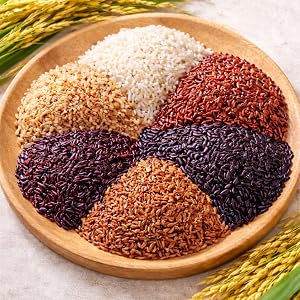
Every true whole grain consists of the entire grain kernel—the bran, germ, and endosperm. When grains are refined (like white rice or white flour), the outer layers are stripped away, removing up to 80% of the grain's natural nutritional value.
Understanding the anatomy of a whole grain explains exactly why keeping it intact matters for your body.
The Anatomy of a Whole Grain
The Bran (The Outer Shield): This is the fiber-rich outer shell. It protects the seed and contains a high concentration of B vitamins, iron, zinc, and crucial antioxidants.
The Germ (The Core of Life): The embryo of the seed, where a new plant would sprout. This is the most nutrient-dense pocket, packed with Vitamin E, healthy unsaturated fats, phytochemicals, and B vitamins.
The Endosperm (The Energy Store): The large interior pocket. It acts as the seed's food supply, containing primarily complex carbohydrates and a small amount of protein.
Why Whole Grains Are Biological Powerhouses
Eating grains in their complete form changes how your body processes energy and protects itself.
1. Superior Metabolic Control (The Fiber Effect)
The dense fiber in the bran slows down the breakdown of carbohydrates into glucose. Instead of a sharp blood sugar spike followed by a crash, whole grains provide a slow, sustained release of energy. This keeps insulin levels steady and prevents sudden mid-morning fatigue.
2. Cellular Protection & Aging Support
The germ layer is loaded with Vitamin E and essential fatty acids. Vitamin E is a powerful, fat-soluble antioxidant that shields cell membranes from oxidative stress, supporting healthy tissue maintenance throughout the body.
3. Muscle & Nerve Efficiency
Whole grains are an exceptional plant-based source of magnesium. This mineral is a critical co-factor in over 300 enzymatic reactions, directly influencing muscle relaxation, heart health, and steady nerve transmission.
The Sprouting Upgrade: When a whole grain is germinated (sprouted) before consumption, it activates dormant plant enzymes. This naturally neutralizes phytic acid—a compound in raw grains that binds to minerals and limits their absorption. Sprouting essentially unlocks the iron, zinc, and magnesium in the grain, making them incredibly easy for your digestive system to absorb.

ความคิดเห็น